1. 705. 304. 6246
11:00 am - 3:00 pm MST Mon. Wed. Fri.
 SINCE 2003
| The Role of Research |
Taking responsibility for one’s health also necessitates diligent research. In the age of information, where knowledge is at our fingertips, there is no excuse for ignorance. However, with this abundance of information comes the challenge of discerning truth from misinformation. It is here that critical thinking becomes paramount.
Researching medical conditions, treatments, and alternative therapies is not merely about accumulating data, but about understanding the underlying principles and potential consequences of different choices. For instance, when considering a new medication, it is vital to not only understand its benefits but also to be aware of its side effects, interactions with other drugs, and the philosophy behind its development. This level of understanding enables individuals to make decisions that align with their values and long-term health goals.
Furthermore, research should not be limited to conventional sources. Exploring alternative viewpoints, such as those found in holistic and integrative medicine, can provide a more comprehensive understanding of health and healing. However, this too requires discernment, as not all alternative therapies are effective or safe. The key is to approach all information with an open yet critical mind, weighing the evidence and considering the source.
The Dangers of Blind Trust
Blind trust in any authority, be it medical or otherwise, can lead to disastrous outcomes. History is replete with examples of treatments that were once widely accepted but later found to be harmful. From the use of mercury in medicine to the more recent opioid crisis, the medical establishment has not always been infallible. This is not to say that modern medicine should be dismissed outright, but rather that it should be approached with a healthy degree of skepticism and inquiry.
One of the most significant dangers of blind trust is the abdication of personal responsibility. When we as individuals place our health entirely in the hands of others, we relinquish control over our own well-being. This can lead to a sense of helplessness and dependency, where the patient becomes a passive recipient of care rather than an active participant in their own healing process.
The Intersection of Spirituality and Medicine
For those on a spiritual path, the relationship with medicine is often complex. On one hand, there is an acknowledgment of the importance of medical science and its contributions to human health. On the other, there is a recognition that true healing encompasses more than just the physical body. It involves the mind, emotions, and spirit.
In “The Light Above & Within,” I discusses the importance of integrating spiritual practices with medical treatment. This integration is not about rejecting modern medicine, but about complementing it with spiritual wisdom and discernment. For instance, meditation, prayer, and study are practices that can support the body’s natural healing processes and provide a sense of peace and clarity during times of illness.
Moreover, the spiritual path teaches that illness often has deeper, metaphysical roots. This perspective encourages individuals to look beyond the physical symptoms and explore the emotional, psychological, and spiritual factors that may be contributing to their condition. By doing so, they can address the root causes of illness rather than merely treating the symptoms.
CONTINUE READING: PART THREE
 Uribiotic Formula
$55.500 USD
Uribiotic Formula
$55.500 USD
 d-Mannose MAX
$45.500 USD
d-Mannose MAX
$45.500 USD
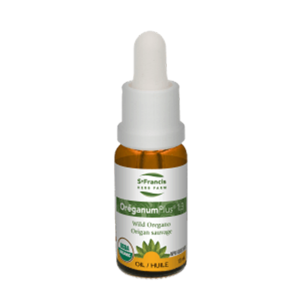 Oil of Wild Oregano
$15.500 USD
Oil of Wild Oregano
$15.500 USD
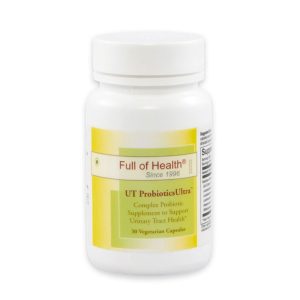 UT ProbioticsUltra
$36.500 USD
UT ProbioticsUltra
$36.500 USD
 European DP Extract
$59.500 USD
European DP Extract
$59.500 USD
 eCookbook
$9.900 USD
eCookbook
$9.900 USD
 TGs Formula II
$55.500 USD
TGs Formula II
$55.500 USD
© 2003- Uribiotic.com